Understanding Industry: Dynamics, Evolution, and Strategic Importance
The concept of industry plays a pivotal role in shaping the economic, technological, and social frameworks of societies worldwide. The term refers to organized production of goods and services, encompassing everything from traditional manufacturing to high-tech sectors. Grasping the complexities of industry is essential for policymakers, business leaders, investors, and researchers who aim to understand market behavior, drive innovation, and promote sustainable economic growth.
Defining Industry
Industry can be defined as a sector of the economy involved in the production, processing, or distribution of goods and services. Industries are typically classified according to the nature of economic activity, technological requirements, and labor intensity. In a broader sense, industry also encompasses the systems, processes, and organizational frameworks that facilitate production at scale.
Characteristics of Modern Industries
Modern industries are distinguished by several critical features:
- Scale and Complexity: Industries can involve thousands of enterprises, intricate supply chains, and global market interactions.
- Innovation-Driven: Competitive pressures encourage research, development, and the adoption of new technologies.
- Regulatory Oversight: Industries often operate under complex legal and environmental regulations to ensure safety, fairness, and sustainability.
- Labor Specialization: High levels of workforce specialization enhance productivity, innovation, and operational efficiency.
Types of Industries
Industries are often grouped into three main categories based on economic activity: primary, secondary, and tertiary. Advanced economies also recognize quaternary and quinary sectors for knowledge-based services and high-level decision-making.
Primary Industry
Primary industries involve the extraction and collection of natural resources. Examples include:
- Agriculture: Producing crops, livestock, and raw food materials.
- Mining: Extracting minerals, metals, and fossil fuels.
- Forestry and Fishing: Harvesting timber, aquatic resources, and related products.
Primary industries form the foundation of other sectors by supplying essential raw materials. Efficiency, sustainability, and environmental stewardship are critical in these industries.
Secondary Industry
Secondary industries focus on transforming raw materials into finished goods. This category includes:
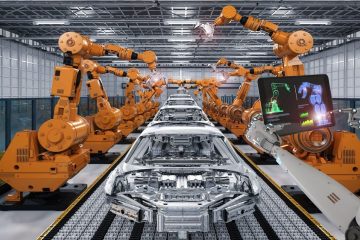
- Manufacturing: Producing consumer goods, electronics, and machinery.
- Construction: Developing residential, commercial, and industrial infrastructure.
- Energy Production: Converting natural resources into usable energy.
Secondary industries are the backbone of industrial economies, generating employment, technological innovation, and trade opportunities.
Tertiary Industry
Tertiary industries provide services rather than tangible goods. These include:
- Retail and Wholesale Trade
- Transportation and Logistics
- Healthcare and Education
- Financial Services
The tertiary sector supports other industries by offering essential services that maintain efficiency, facilitate trade, and enhance quality of life.
Quaternary and Quinary Industries
- Quaternary Industry: Focuses on knowledge-based services such as IT, research, consultancy, and media.
- Quinary Industry: Involves high-level decision-making roles, including government, nonprofit management, and top executive functions.
These sectors reflect the increasing importance of intellectual capital, data-driven decision-making, and strategic leadership in modern economies.
Industrial Revolution and Evolution
The history of industry is deeply intertwined with the Industrial Revolution, which began in the late 18th century. This period marked a radical shift from manual labor to mechanized production, fueled by innovations such as:
- The steam engine and mechanized textile machinery.
- Advances in metallurgy and mining technologies.
- Development of transportation infrastructure like railways and canals.
Subsequent waves of industrial evolution introduced electricity, mass production, automation, and digital technologies. Today, the Fourth Industrial Revolution emphasizes artificial intelligence, robotics, the Internet of Things, and sustainable manufacturing practices.
Key Drivers of Industrial Growth
Industrial growth is influenced by multiple interdependent factors:
Technological Innovation
Adoption of new technologies increases productivity, reduces costs, and creates new markets. Examples include automation in manufacturing, AI in logistics, and blockchain for supply chain transparency.
Capital Investment
Industries require significant capital for infrastructure, machinery, and research. Private investments, government incentives, and venture capital play crucial roles in driving industrial expansion.
Skilled Workforce
Industries depend on skilled labor for efficient production, innovation, and problem-solving. Training programs, technical education, and continuous professional development enhance workforce capability.
Regulatory Environment
Government policies regarding taxation, environmental standards, and trade significantly influence industrial performance. Effective regulation encourages sustainability and ensures fair competition.
Market Demand
Consumer behavior, population growth, and global trade dynamics directly impact the demand for industrial goods and services. Industries must adapt to changing preferences, supply chain disruptions, and market trends.
Industrial Strategies for Modern Enterprises
Enterprises operating within industries must adopt strategic approaches to maintain competitiveness and achieve sustainable growth.
Diversification
Diversifying product lines and market presence reduces dependency on a single revenue source. Companies often expand into complementary sectors or new geographical regions to mitigate risk.
Operational Efficiency
Lean management, process optimization, and automation reduce costs while maintaining quality. Industrial enterprises invest in:
- Supply chain optimization
- Inventory management systems
- Predictive maintenance technologies
Research and Development
Innovation is central to industrial success. R&D initiatives lead to:
- Product differentiation
- Process improvements
- Adoption of sustainable and eco-friendly technologies
Strategic Partnerships
Collaborations with suppliers, distributors, research institutions, and technology providers enhance capabilities, reduce costs, and accelerate market penetration.
Sustainability and Social Responsibility
Modern industries prioritize environmental stewardship and corporate social responsibility. Practices include:
- Reducing carbon emissions and waste
- Utilizing renewable energy sources
- Engaging in ethical labor practices
Challenges in the Industrial Sector
Industries face several challenges that can impede growth and stability:
Economic Volatility
Global market fluctuations, inflation, and currency instability affect industrial output and profitability. Companies must employ financial hedging and scenario planning to manage risk.
Technological Disruption
Rapid technological change can render existing processes obsolete. Industries must continually innovate to remain competitive.
Environmental Impact
Industrial activities contribute to pollution, resource depletion, and ecological disruption. Compliance with environmental regulations and investment in green technologies are crucial.
Global Competition
Industries operate in highly competitive international markets. Cost efficiency, product quality, and brand reputation are critical to maintaining market share.
Workforce Challenges
Attracting and retaining skilled labor, managing workforce diversity, and fostering innovation culture remain ongoing challenges for industrial enterprises.
Industry 4.0 and the Future
The concept of Industry 4.0 embodies the integration of digital technologies with industrial operations. Its key components include:
- Internet of Things (IoT): Sensors and connected devices enable real-time monitoring and optimization.
- Artificial Intelligence and Machine Learning: Predictive analytics, automation, and decision support enhance productivity.
- Advanced Robotics: Flexible and precise manufacturing processes reduce costs and improve quality.
- Data Analytics: Big data facilitates strategic insights, customer understanding, and operational efficiency.
- Sustainable Manufacturing: Industry 4.0 promotes energy efficiency, waste reduction, and circular economy practices.
The future of industry will be shaped by technological integration, sustainable practices, and agile adaptation to global market trends.
Industry and Economic Development
Industries are pivotal in driving economic growth by:
- Generating employment opportunities across multiple skill levels.
- Enhancing productivity and efficiency in resource utilization.
- Stimulating technological innovation and knowledge dissemination.
- Contributing to national GDP and trade balance.
Policy frameworks that support industrial development, innovation hubs, and skilled labor initiatives significantly enhance a nation’s competitiveness.
Real-World Examples
While industries vary in scope, their growth patterns often reflect common strategies:
- Manufacturing hubs in East Asia demonstrate the power of operational efficiency and skilled labor investment.
- Tech industries in North America leverage innovation, R&D, and intellectual capital to maintain market leadership.
- Green industries in Europe show the economic and environmental benefits of sustainable manufacturing practices.
Conclusion
The industrial sector forms the backbone of global economic development. It is a complex, evolving ecosystem where innovation, efficiency, and strategic foresight determine success. Understanding the dynamics of industry, from technological advancements to workforce management, allows enterprises and policymakers to harness its potential. Industries that balance growth with sustainability, adaptability, and social responsibility are best positioned to thrive in the rapidly changing global economy.
FAQs About Industry
Q1: What differentiates primary, secondary, and tertiary industries?
Primary industries extract natural resources, secondary industries transform them into goods, and tertiary industries provide services that support production and consumption.
Q2: How does technology impact industry performance?
Technology improves efficiency, reduces costs, and enables innovation through automation, data analytics, and smart manufacturing processes.
Q3: What is Industry 4.0?
Industry 4.0 integrates digital technologies such as IoT, AI, robotics, and data analytics into industrial processes, driving efficiency, sustainability, and agility.
Q4: Why is sustainability important in modern industry?
Sustainable practices reduce environmental impact, comply with regulations, improve brand reputation, and ensure long-term resource availability.
Q5: How do industries contribute to economic development?
Industries generate jobs, stimulate innovation, enhance productivity, and contribute to national income and trade, supporting overall economic growth.
Q6: What challenges do industries face in the 21st century?
Industries contend with technological disruption, global competition, environmental impact, economic volatility, and workforce management challenges.